
A regular wipe-down keeps things looking tidy, but it barely scratches the surface. Here’s why going deeper matters — and how to save big this month.
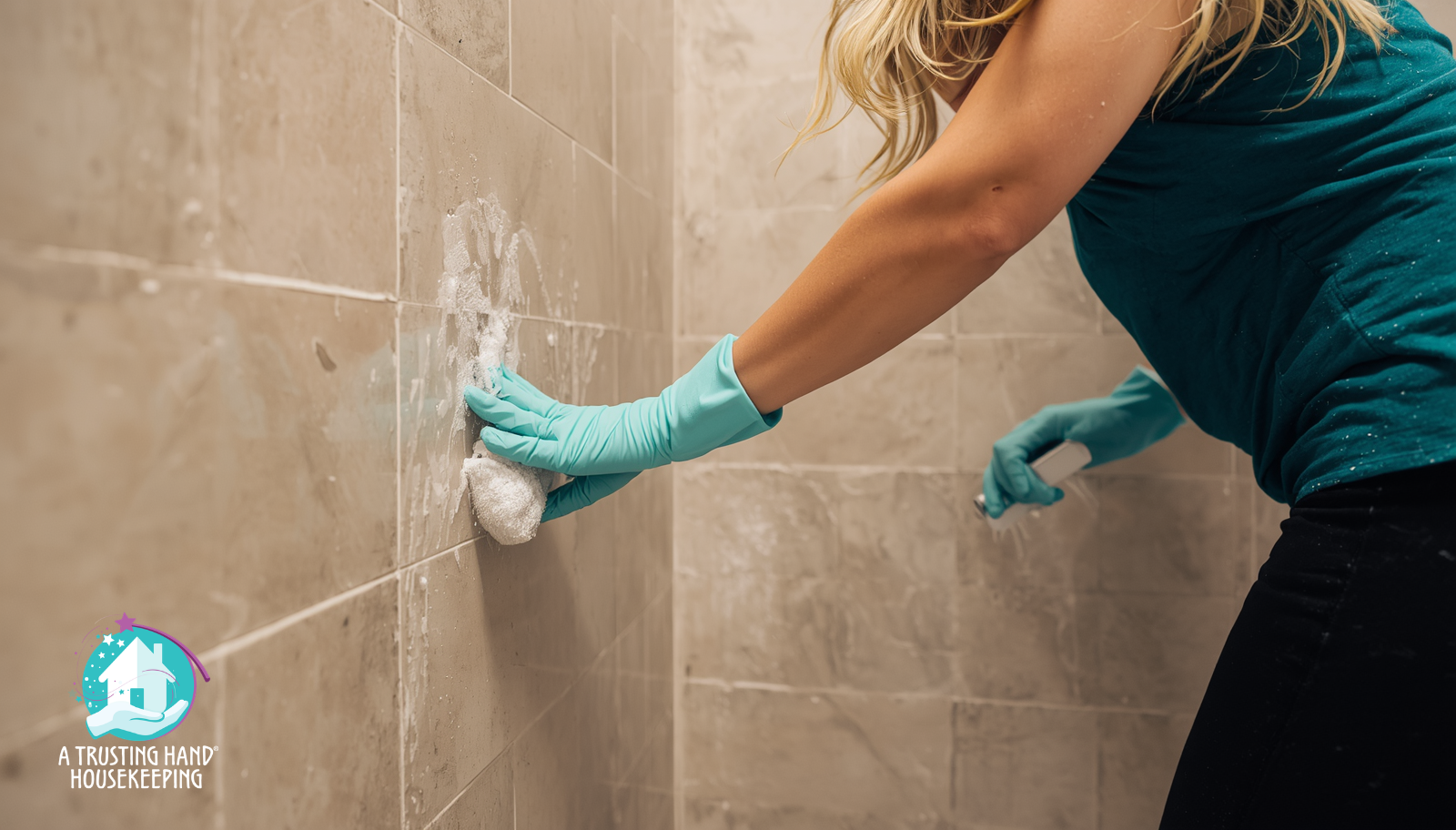
Most bathrooms get wiped down weekly. Counters get a pass, the toilet gets a scrub, and the floor gets a quick mop. It looks clean. But looks can be deceiving — and nowhere is that truer than in the one room in your home that sees the most moisture, bacteria, and bare skin every single day.
A true deep clean goes beyond the visible surfaces. It gets into the corners, under the vanity, around the base of the toilet, and deep into the pores of your tile grout. Once you’ve had one done properly, you’ll understand why it isn’t optional — it’s essential.
Why bathrooms are different from every other room
Bathrooms are warm, humid, and used multiple times a day. That combination is a perfect incubator for mold, mildew, soap scum, and bacteria. Over time, even the cleanest-looking bathroom accumulates buildup in places a routine clean never touches — grout lines, behind fixtures, caulk seams, and on tile surfaces sealed by layer after layer of soap residue.
The truth about tile and grout
Grout is porous. That’s just a fact of how it’s made. Every time you shower, water, shampoo, conditioner, body wash, and mineral deposits seep into those tiny pores. Over months and years, the grout darkens, stains, and becomes a breeding ground for mold that no amount of spray-and-wipe will fix.
Shower tile walls and bathroom floor tile both suffer the same fate — but they’re often overlooked because they don’t look dramatically dirty until they really are. By the time you can see the discoloration clearly, significant buildup has already set in.
The solution isn’t a miracle spray. It’s the old-fashioned kind of clean: getting down and scrubbing by hand, with the right tools and the right solutions, tile by tile and grout line by grout line.
How often should you do it?
For a bathroom that gets regular maintenance cleaning, a full deep clean — including tile and grout — once or twice a year makes an enormous difference. It resets the surface, clears out the buildup your routine misses, and keeps your bathroom genuinely hygienic rather than just visually tidy.
Think of it less as an optional luxury and more like a tune-up. The longer you go without one, the more work it takes to restore things to their best. Staying on a schedule is always easier — and cheaper — than a full restoration.